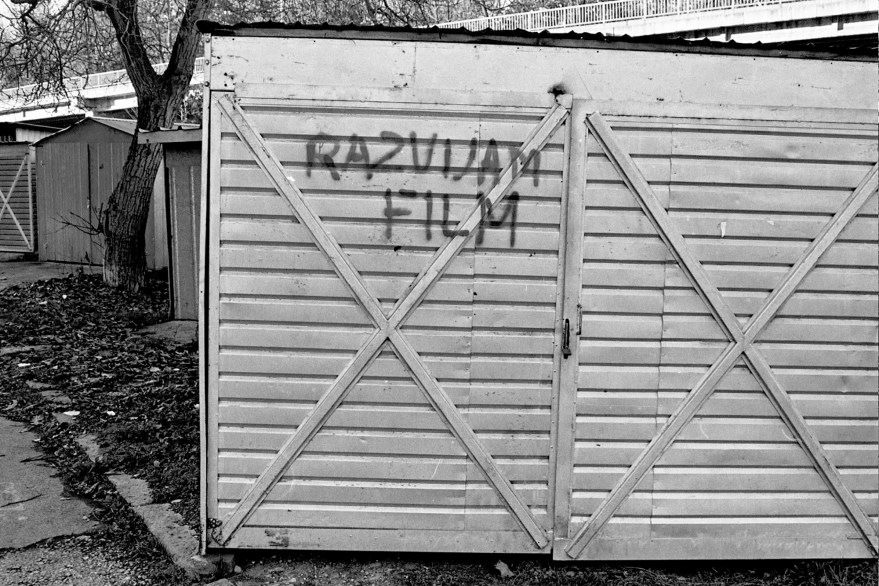
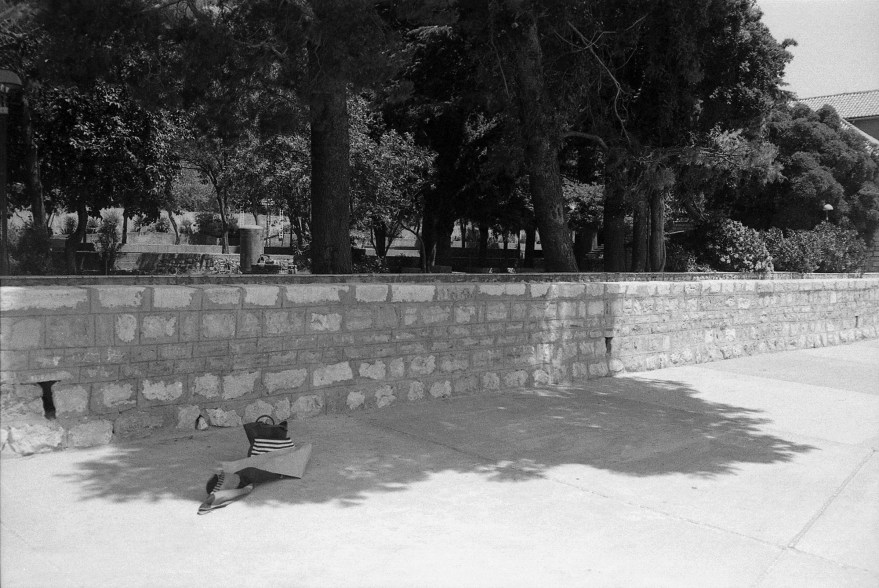
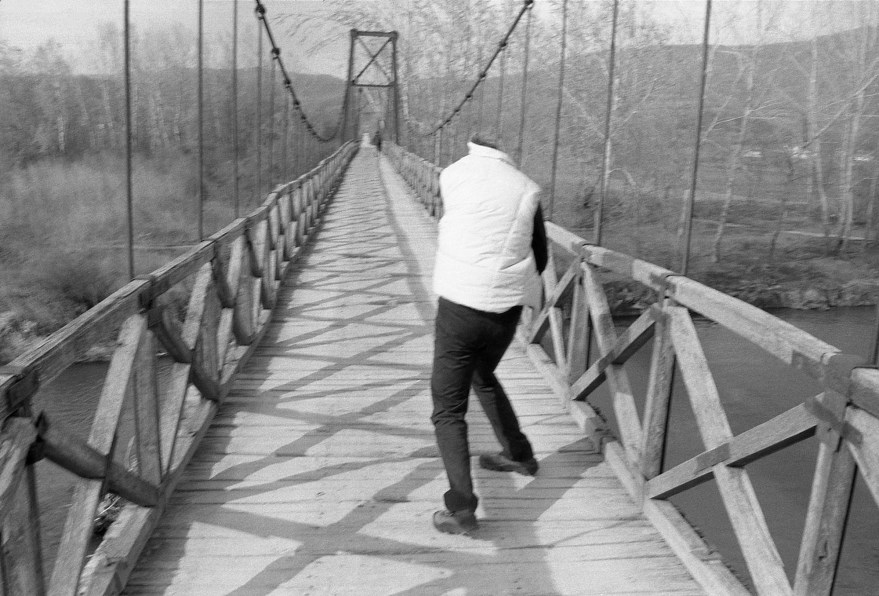
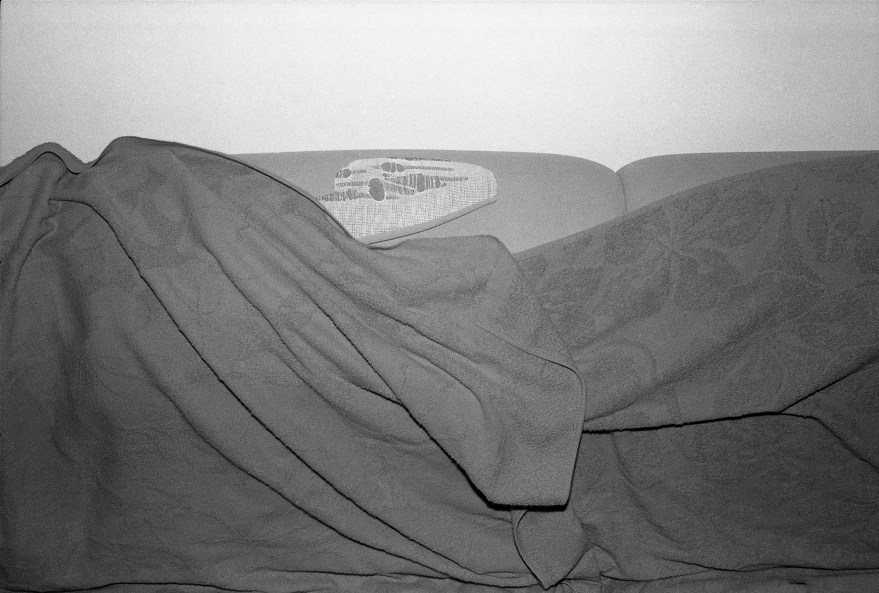
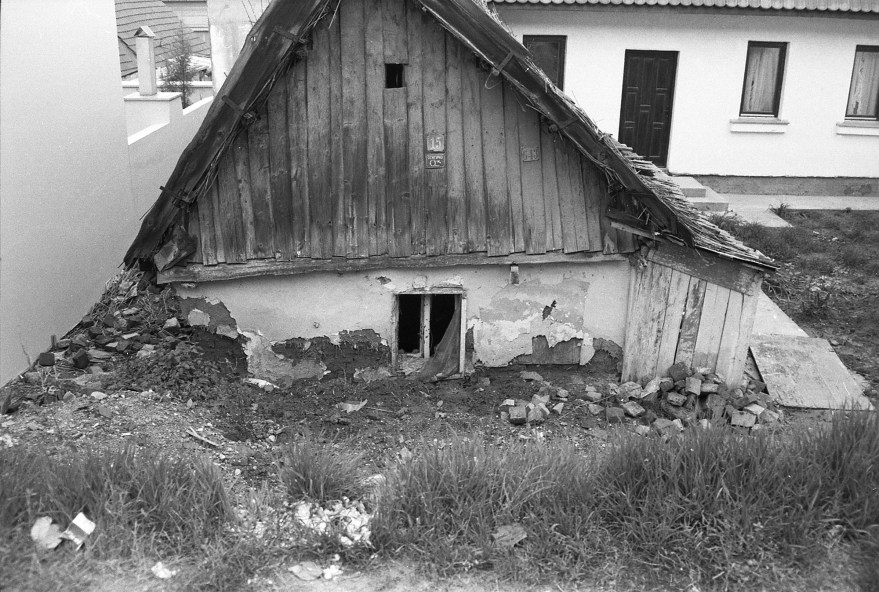
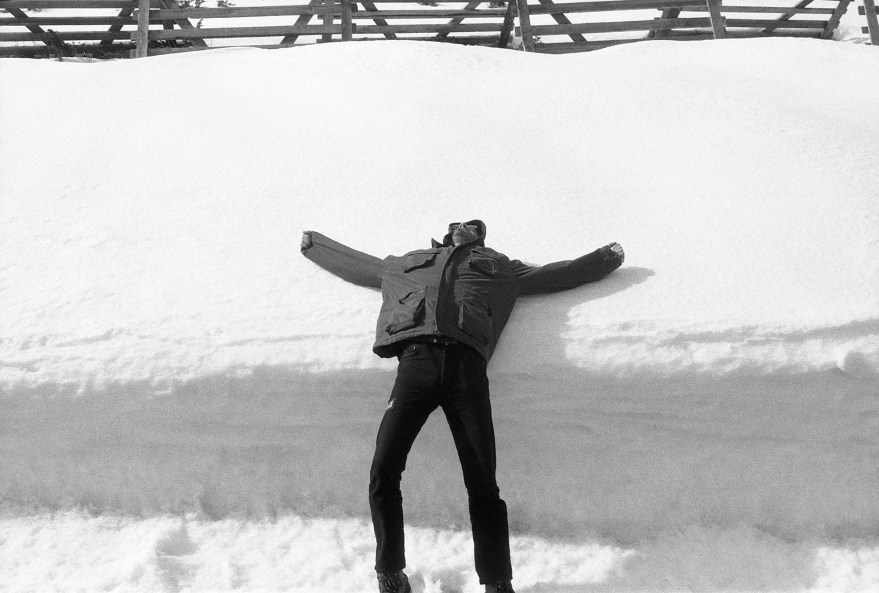
This series of photographs speaks to the fragile state of memory when confronted with a personal archive. Though the images were taken more then twenty years ago, most trigger recognition — a face, a place — or evoke some detail tied to the moment of their creation. Yet this selection isolates those that escape memory, images stripped of significance, existing as empty vessels. They are neither punctum nor studium (Roland Barthes), but something else: visual gaps, remnants of time that refuse to cohere into narrative.
Following Derrida’s notion of archive fever, every collection is haunted by what it excludes. The personal archive is not a neutral repository but a system of selection—some images are elevated to memory, others sink into obscurity. Derrida’s term mal d’archive (archive sickness) captures this compulsive yet futile desire to preserve: the archive is always already a site of loss, structured as much by forgetting as by remembering. The photographs in this series that “escape memory” are not accidents; they are constitutive of the archive itself. For Derrida, the act of archiving is inherently violent—it imposes order on the chaos of lived experience, deciding what will be legitimized and what will be relegated to silence.
The images that fail to resonate become what Derrida might call specters of the archive: traces that linger without fully materializing into meaning. They resist the archontic power—the authority of the archive to determine what is worthy of preservation (Derrida, 1995). In this way, they expose the fiction of coherence that underpins personal and collective memory. The archive, after all, is not a reflection of the past but a negotiation with its absence.
Derrida also links the archive to the Freudian death drive (Thanatos), suggesting that preservation is paradoxically tied to destruction. To archive is to fossilize, to remove a moment from its lived context and fix it in an artificial eternity. The “empty vessels” in this series embody this paradox: they are technically preserved yet emotionally erased, existing in a liminal state where the death drive and the will to remember collide. Their very insignificance becomes a testament to the archive’s inability to fully capture time.
Moreover, Derrida’s concept of the supplement (from Of Grammatology, 1967) looms here. The photographs that lack meaning do not merely represent gaps; they are the gaps, the necessary absences that allow the “meaningful” images to function. Like the unspoken margins of a text, they reveal the instability of the archive’s authority. Their presence undermines the illusion of totality, reminding us that every archive is a palimpsest, layered with invisible erasures.
This series performs what Derrida might call an archival counter-gesture: by isolating the forgotten, it forces the archive to confront its own omissions. These images are not failures of memory but its unconscious—the repressed material that the archive cannot fully assimilate. They are, in a sense, the unarchivable within the archive itself.





 stefana savic